By Dr. Alex Rivera, MD – Internal Medicine Physician
Published on February 6, 2026
How to Lose Weight Fast: Science-Based Strategies That Actually Work
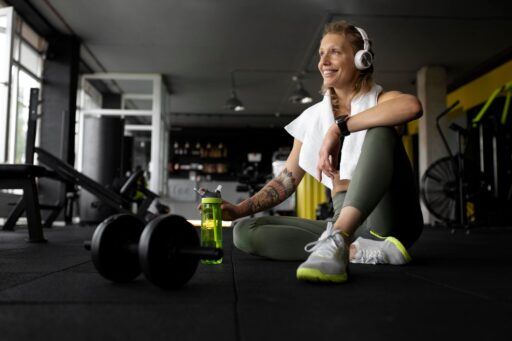
So, losing weight quickly is one of those goals that pops up in searches all the time, but honestly, it's also one of the most misunderstood topics out there. A lot of folks immediately think of crash diets, brutal workouts, or sketchy shortcuts that sound promising but usually backfire and leave you worse off in the long run.
Look, the truth is that real, effective weight loss doesn't have to mean starving yourself or living at the gym. In reality, it comes down to understanding how your body actually burns fat, the way hormones control your hunger, and how your everyday habits quietly shape your metabolism. From what I've seen with patients over the years, the people who succeed are the ones who focus on smart, sustainable changes instead of extremes.
In this guide, I'll walk you through proven strategies that can help you lose weight faster without trashing your health. We'll cover nutrition basics, supplements that actually have some backing, exercise tools, timing tricks, and lifestyle tweaks that work together. That said, nothing here is magic — but when you combine them thoughtfully, the results can feel surprisingly steady.
Protein Shakes for Weight Loss
👉 Click here to explore a proven protein shake designed for weight loss
If you're trying to drop some weight, you might be wondering whether protein shakes are actually worth it. So many brands push them as fat-burning miracles, but let's be real — they're not some kind of magic fix on their own.
Besides that, research does show that bumping up your protein intake can offer real benefits. Higher-protein diets often help reduce body fat, protect your muscle while you're losing weight, keep you feeling full longer, and support overall efforts. However, the evidence isn't super strong when it comes to shakes specifically. Most studies look at protein from all sources, not just the powdered kind in a bottle.
You know, using shakes to replace a meal or two can cut your calories short-term and give you a quick boost on the scale. On the other hand, you eventually need to bring real food back in. If you don't build solid eating habits, the weight tends to creep back. Plus, relying too much on shakes means you might miss out on the fiber, vitamins, and other good stuff that comes from actual meals.
Truthfully, protein still has calories, so piling shakes on top of your normal food without adjusting anything else can actually stall your progress. From my experience in practice, the patients who do best treat shakes as a helpful tool, not the whole plan.
According to the Dietary Guidelines, most adults only need around 46 to 56 grams of protein daily, depending on their size and health. If you're already eating a balanced diet, extra shakes probably aren't necessary. Resumindo, successful weight loss still boils down to burning more than you take in. Focus on real foods like fruits, vegetables, whole grains, low-fat dairy, and solid protein sources such as chicken, eggs, fish, beans, and nuts. At the same time, cut back on added sugars, salt, and saturated fats.
Besides eating well, regular movement matters a lot. Aim for about 30 minutes of moderate activity most days — think brisk walking — and add strength training at least twice a week to keep your metabolism humming.
👉 Click here to explore a proven protein shake designed for weight loss
Gym Bicycle Weight Loss
👉 View a top-rated gym bicycle for home weight loss
Gym cycles, or stationary bikes, show up in pretty much every gym for a reason. They're known for helping with weight loss in a practical way. So, this section breaks down how they actually work, gives beginners some straightforward tips, and answers the questions I hear all the time in the office.
Is a Gym Cycle Effective for Weight Loss?
Absolutely, it can be. Look, depending on how hard you push and your body weight, you can easily burn 400 to 600 calories in an hour. On the other hand, it's low-impact, which makes it gentle on knees and backs — perfect if you're just starting out, older, or coming back from an injury.
Besides burning calories during the session, regular cycling can lift your overall metabolism so you're burning a bit more even at rest. Plus, it builds lower-body muscle, and muscle tissue burns more calories than fat does when you're sitting around. In reality, that adds up nicely over time.
Tips for Using a Gym Cycle to Lose Weight
- Set Achievable Goals: Start with 15–20 minutes and build from there. No need to go all out on day one.
- Stay Consistent: Three to four sessions a week makes a bigger difference than random long rides.
- Change Up Your Routine: Mix steady rides with intervals — your body adapts quickly otherwise.
- Monitor Your Progress: Track workouts however you like, whether it's an app or just notes on your phone.
Frequently Asked Questions
How long should I cycle each day to lose weight?
For real results, aim for at least 30 minutes of decent effort most days. Beginners can start shorter and ease in — rushing it often leads to burnout.
Is steady cycling better than changing intensity?
Varying the intensity usually wins. Intervals burn more calories and improve fitness faster, though steady rides still help.
Can a gym cycle help reduce belly fat?
You can't spot-reduce, but consistent cycling lowers overall body fat, including around the middle. That's what I've seen with patients time and again.
What should I eat before and after cycling?
A light carb-and-protein snack beforehand gives you energy. Afterward, prioritize protein for recovery and some carbs to refill your tank.
Is indoor cycling as effective as outdoor cycling for weight loss?
Both work well. Indoor is convenient and easy to control, while outdoor adds fresh air and variety. Pick what you'll actually stick with.
Conclusion
Gym cycles are a solid, adaptable tool for weight loss. They're low-impact, effective, and can fit almost any fitness level. When you stay consistent, mix intensities, and eat reasonably, they really can move the needle while building endurance too.
👉 View a top-rated gym bicycle for home weight loss
Protein Drinks for Weight Loss
👉 Check the best-selling protein drinks for weight lossIf you're chasing weight loss, it's natural to wonder if protein drinks make any real difference. Brands love to hype them as fat-torching solutions, but truthfully, they're just one piece of the puzzle — not the whole answer.
Research suggests bumping up protein can help with fat loss, muscle preservation, and feeling satisfied longer. However, most studies look at protein in general, not drinks specifically. So the evidence is promising but not overwhelming.
Replacing meals with drinks can drop your calories and give short-term results. On the other hand, you need to reintroduce real food eventually, or the weight often comes back. Relying too much on drinks also means missing nutrients from whole foods like fiber and micronutrients. In my experience, patients who balance both do better long-term.
Remember, protein has calories too. Adding drinks without cutting elsewhere can slow things down. Most adults need only about 46–56 grams daily if their diet is already decent. If yours is solid, extra drinks might not be necessary.
Ultimately, it's still calories in versus calories out. Eat plenty of fruits, vegetables, whole grains, lean proteins, and low-fat dairy while limiting junk. Add movement — 30 minutes most days plus strength work twice a week — and the pieces start fitting together.
👉 Check the best-selling protein drinks for weight lossBest Protein Bars for Weight Loss
👉 Discover the best protein bars for weight lossProtein is great for appetite control because it digests slowly and keeps you full. It also steadies blood sugar and cuts cravings, which is huge when you're trying to eat less. Besides that, it supports hormones, immunity, and even skin health after weight loss.
One thing people often overlook is how protein protects muscle. Lose muscle and your metabolism slows, making regain more likely. That's why I always tell patients to prioritize protein during any cut.
How much do you need? It depends on your size and activity. A calculator can give you a personalized number. When it comes to bars, read labels carefully. Marketing can be tricky — some "high-protein" bars barely deliver.
How to Identify a High-Protein Bar
Aim for around 20 grams of protein and roughly 200 calories. That ratio works well. Some bars only give 8 grams with high calories, which isn't efficient for weight loss.
The Hidden Downsides of Some Protein Bars
Many are loaded with added fiber that can cause bloating or stomach issues. They're also dry, so drink water with them. Artificial sweeteners sometimes add to the discomfort. Honestly, if a bar leaves you feeling off, it's okay to skip it.
Another catch: they might not fill you up as much as you'd expect for the calories. A shake can sometimes be a lighter, more flexible option.
When Protein Bars Make Sense
They're convenient for travel, busy days, or when plans change. Keeping one handy beats grabbing unhealthy snacks. In reality, they're a practical backup, not a daily staple.
How to Choose the Best Protein Bars for Weight Loss
- At least 10 grams of protein per 100 calories
- Less than 5 grams of fiber
- Minimal artificial sweeteners when possible
Protein Bars That Are Less Ideal for Weight Loss
Some bars are basically candy with a little protein added. They look healthy on the package but won't help much if used often. Always check the actual numbers — marketing loves to stretch the truth.
👉 Discover the best protein bars for weight lossBest Time to Take Berberine for Weight Loss
👉 Check the best Berberine for Weight LossThe best time to take berberine is with a meal or right before eating. You know, the body doesn't absorb it super well on its own, but food seems to help kickstart the process and makes it more useful for blood sugar and weight support.
Studies, including some on animals, show better absorption when taken with a fatty meal compared to an empty stomach. Besides that, berberine has a short half-life, so splitting the dose two or three times a day with meals keeps levels steadier. Taking it with food also cuts down on stomach upset like nausea or bloating, which is a common complaint otherwise.
How Berberine Supports Weight Loss and Blood Sugar Balance
Current research is encouraging. In people with type 2 diabetes, it can lower fasting blood sugar and HbA1c pretty noticeably. It also seems to help with triglycerides and waist size in metabolic syndrome. Some comparisons even put it close to metformin in certain effects, though more long-term human data would be nice.
For weight, doses of 500 mg or more daily, and especially over 1 gram for eight weeks or longer, have been linked to modest drops in weight and BMI. To sum it up, it shows real promise for metabolic health, but it's not a standalone miracle.
How Much Berberine to Take and How to Use It Safely
Dosages in studies usually run 900 to 1,500 mg total per day, often split into 500 mg three times with meals. Start lower if your stomach is sensitive. Because supplements aren't tightly regulated, pick ones with third-party testing for peace of mind.
Important caveat: it can interact with medications, so talk to your doctor first. It's not recommended during pregnancy or breastfeeding either.
👉 Check the best Berberine for Weight LossBest Green Tea for Weight Loss
👉 Shop the best green tea options for weight loss
Green tea has become popular for weight loss, and for good reason — it's zero calories, so it doesn't add to your daily total. On top of that, the caffeine and catechins can gently boost metabolism and slow down how your body stores fat.
It also acts as a mild appetite suppressant, helping you feel fuller and snack less. When cravings hit, a cup can buy you time. Plus, the different flavors keep things interesting so you don't get bored with your routine. However, it works best alongside a decent diet. If your eating is off, tea alone won't fix much.
Example of a Green Tea Drink for Weight Loss
There are lots of varieties. You can add lemon, spices, or a touch of honey for flavor. Cold green tea is refreshing in summer too. Experiment a bit — it makes sticking with it easier.
Which Green Tea Is Best for Losing Belly Fat?
Gyokuro is often praised for cutting sweet cravings. Bancha supports digestion, and matcha gives a concentrated hit of nutrients. Stick to non-fermented types when possible. Avoid adding sugar and don't drink it right with meals for best effect. If caffeine bothers you, skip it after 4 PM.
Should You Drink Green Tea in the Morning for Weight Loss?
Yes, even on an empty stomach. It may help control appetite throughout the day. Black tea gives a stronger morning kick if needed, while green tea works well after meals or in the evening as long as sleep isn't affected.
👉 Shop the best green tea options for weight loss
Final Thoughts: How to Lose Weight Fast Safely
Losing weight quickly doesn't have to mean risking your health. The smartest path combines good nutrition, smart protein choices, consistent movement, targeted supplements when appropriate, and habits you can actually keep.
When these pieces line up, progress can feel faster and more sustainable. In my experience, the patients who focus on steady improvements rather than dramatic cuts are the ones who keep the weight off.