By Dr. Alex Rivera, MD – Internal Medicine Physician
Published on February 6, 2026
Lee Dawson’s Fighting Fit After 40: In-Depth Review, Training System & Realistic Results
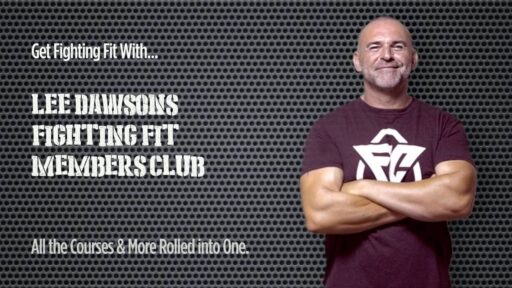
View the official Fighting Fit After 40 program here
So, you know, hitting 40 often feels like your body quietly rewrote the rulebook on training. Strength gains slow down, recovery takes noticeably longer, joints start speaking up more, and those old high-intensity routines that used to push you forward now tend to leave you dealing with nagging pain instead of real progress. Look, I've seen this pattern every week in my practice with patients who are active but frustrated.
That's exactly where Lee Dawson’s Fighting Fit After 40 comes in. Instead of ignoring the realities of aging, the program actually works with them. It offers a smart, structured system built around longevity, better mobility, and strength that you can actually maintain for years. On the other hand, it's not promising to turn you back into your 25-year-old self, but it does help you stay capable and athletic without constantly paying the price in soreness or injury.
In this honest review, I'll break down how the program really works, who it's truly for, the kind of results you can realistically expect, and why it stands out from so many other fitness programs out there. Truthfully, after looking at a lot of these systems, this one feels more grounded than most.
- 1.What Is Fighting Fit After 40?
- 2.Who Is Lee Dawson?
- 3.How the Body Changes After 40
- 4.Common Training Mistakes After 40
- 5.Program Structure Explained
- 6.Mobility, Joints, and Injury Prevention
- 7.Hormones, Recovery, and Performance
- 8.Key Benefits
- 9.Expected Results Timeline
- 10.Comparison With Traditional Training
- 11.Pros and Cons
- 12.Who Should Use This Program?
- 13.Final Verdict
What Is Fighting Fit After 40?
Fighting Fit After 40 is a digital training system made specifically for adults who still want to feel strong, mobile, and athletic, but without wrecking their joints or burning out their nervous system in the process. Besides that, it takes ideas from combat sports training and adapts them for real life after 40.
The program mixes functional strength work, smart conditioning, and a big emphasis on mobility. However, it's not about becoming a pro fighter. In reality, it's for everyday people who want to move well, stay injury-free, and keep training sustainably. To sum it up, this is movement with a purpose, not just another workout plan chasing soreness.
Who Is Lee Dawson?
Lee Dawson brings serious real-world experience to the table. He's a former professional mixed martial artist who spent years competing at a high level, and now he coaches regular folks on training smarter as they age. You know, after stepping away from fighting, he shifted his focus to helping everyday men and women stay capable and strong well into middle age and beyond. That background gives the program a practical edge that a lot of trainers simply don't have.
How the Body Changes After 40
Look, after 40 the body goes through some very predictable shifts that affect how you respond to training. Testosterone and growth hormone levels naturally decline, connective tissues recover more slowly, joints feel stiffer, inflammation can linger longer, and your tolerance for crazy high-volume sessions drops. On the other hand, ignoring these changes is what leads to stalled progress or those recurring little injuries that never quite go away. In my experience with patients, acknowledging this reality early makes all the difference.
- Reduced testosterone and growth hormone output
- Slower connective tissue recovery
- Increased joint stiffness
- Greater inflammation response
- Reduced tolerance for high-volume training
Common Training Mistakes After 40
Honestly, so many people over 40 keep making the same errors. They push too much volume and intensity, skip proper warm-ups and mobility work, ignore rest days, or chase that “good soreness” instead of actual measurable progress. That said, Fighting Fit After 40 was built to fix these exact habits in a systematic way. Besides, once you start training with your current body in mind, things start to feel a lot more sustainable.
- Too much volume and intensity
- Skipping warm-ups and mobility work
- Ignoring recovery days
- Chasing soreness instead of progress
Program Structure Explained
The program uses a smart phased approach that builds a solid foundation before adding intensity. So, instead of throwing you into heavy lifting right away, it eases you in.
Phase 1: Movement & Mobility Foundation
This phase is all about restoring good joint range, fixing posture, improving breathing patterns, and making everyday movement feel smoother. Truthfully, a lot of people notice they move better within the first couple of weeks here.
Phase 2: Functional Strength Development
Here you build real, usable strength using controlled resistance, bodyweight moves, and stability work. It’s not about ego lifting, but about strength that actually helps in daily life.
Phase 3: Conditioning & Athletic Flow
This part brings in low-impact conditioning inspired by combat sports, focusing on coordination, work capacity, and that athletic feeling without beating your body up. In reality, it’s surprisingly enjoyable once the earlier phases are in place.
Mobility, Joints, and Injury Prevention
Joint health gets real attention throughout the program. Every session includes structured warm-ups and cooldowns, which is something a lot of programs still overlook. Instead of just static stretching, it emphasizes dynamic mobility, joint circles, controlled movement, and smart load management. You know, these small details add up and help explain why so many users report fewer aches over time.
- Dynamic mobility
- Joint circles and controlled articulation
- Load management
Hormones, Recovery, and Performance
After 40, hormonal changes are just part of life. While no training program can reverse aging, this one does a good job of working with your body instead of against it. It avoids constant high stress on the system, encourages proper rest, and uses moderate training frequency. However, the real key is that better recovery almost always beats harder training in the long run. From what I've observed with patients, this approach supports natural hormone response without overdoing it.
Key Benefits of Fighting Fit After 40
So, what do people actually get out of it? The benefits feel practical rather than flashy. You tend to see better joint mobility, noticeable gains in functional strength, improved posture and balance, a real drop in injury risk, and a training routine you can actually stick with for years. To be honest, that last part is often the most valuable.
- Improved joint mobility and flexibility
- Increased functional strength
- Better posture and balance
- Reduced injury risk
- Sustainable long-term fitness
Expected Results Timeline
Results obviously vary from person to person, but here's what most users tend to report based on feedback and my own observations. In the first 1–3 weeks, many notice better mobility and less daily stiffness. By weeks 4–8, strength and endurance start to improve in a tangible way. Then around months 2–3, body composition changes become more visible if you're also eating reasonably well. Look, it's not a 30-day miracle, but the progress feels steady and realistic.
View the official Fighting Fit After 40 program here
Comparison With Traditional Training Programs
Unlike most standard gym programs that still push high volume and ego-driven lifting, this system keeps things smarter and more joint-friendly. On the other hand, it’s especially good for people who care more about how they move and feel than just how they look. Besides that, it avoids the repetitive strain that so many traditional plans create over time.
Pros and Cons
Pros
- Age-specific design
- Joint-friendly approach
- Minimal equipment required
- Emphasis on longevity
Cons
- Not ideal for pure bodybuilding goals
- Requires consistency and patience
Who Should Use This Program?
Honestly, this program makes the most sense for men and women over 40 who want to train intelligently. It's particularly helpful for former athletes, people getting back into training after a break, or anyone who's starting to worry about their joint health and long-term mobility. If you're tired of programs that leave you broken down, this one is worth considering.
- Men and women over 40
- Former athletes
- People returning to training
- Anyone concerned about joint health
Final Verdict
At the end of the day, Lee Dawson’s Fighting Fit After 40 stands out because it combines real intelligence with practicality and a focus on sustainability. It doesn't overhype unrealistic transformations. Instead, it gives you a system designed for lifelong fitness that actually respects how your body works now. In my view, that's pretty rare in this space. If you're over 40 and serious about training without paying for it later, this program is one of the smarter options available.